

Do Android Arms Pet Electric Sheep?
tl;dr: no

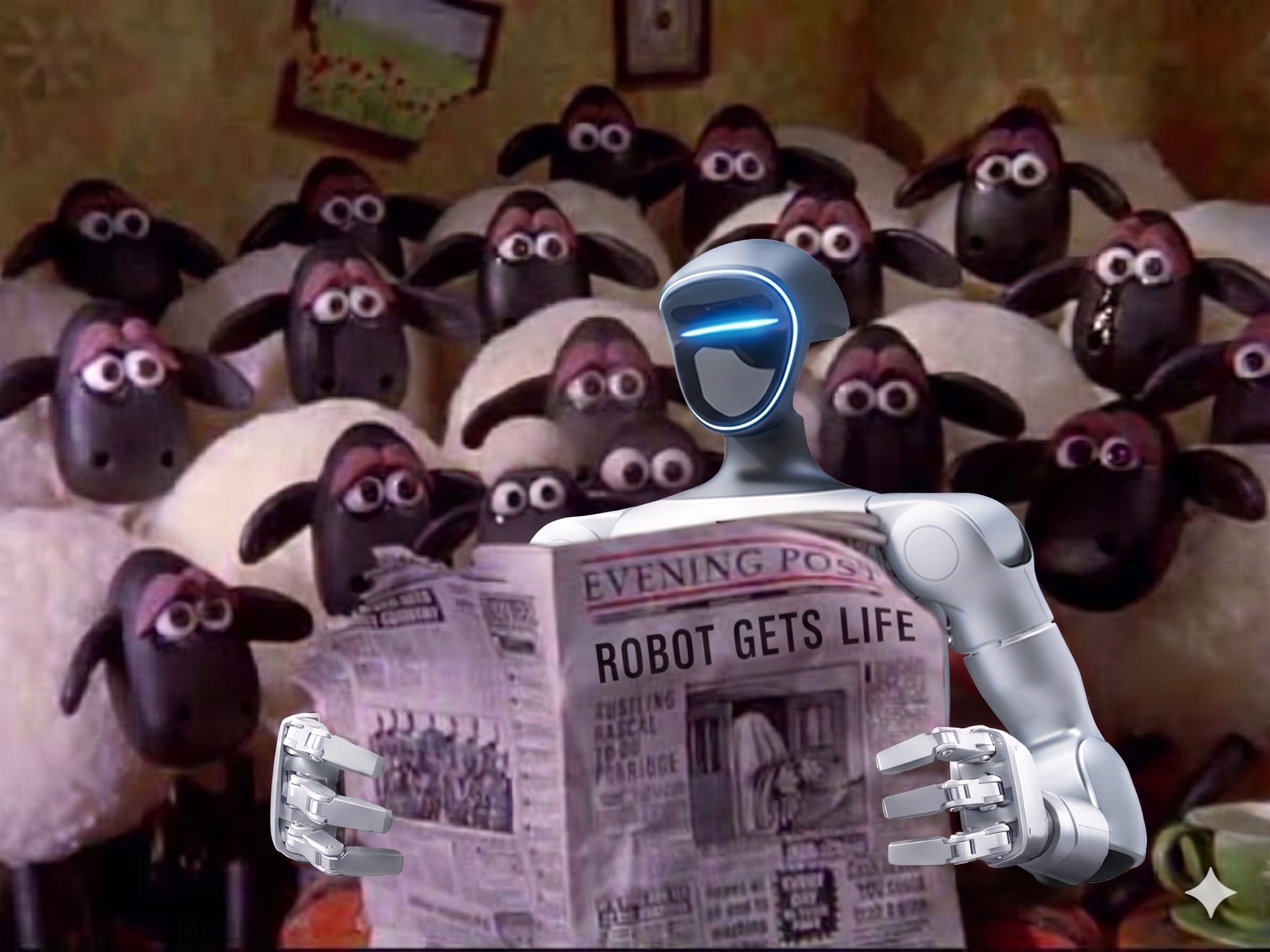
This essay is an addendum to my half-whimsy, half-serious piece on Trump and reshoring Made in USA with China: could all the funny dancing robots be a viral marketing funnel to sell 5G robot manufacturing arms to US, and worldwide?

Again, not so far fetched. China was already the “world’s factory”; why not “world’s factory for world’s advanced manufacturing systems”?
~
Consider this news last week, April 7, 2026:
Ministry of Industry and Information Technology Releases Typical Practices of 5G Factories, Five Benchmarks Lead Transformation in the Textile Industry
The Ministry of Industry and Information Technology recently released the “Typical Application Practices of 5G Factories in 2025,” selecting 100 technologically advanced typical projects covering multiple key industries such as textiles, and issued a notice to deploy and promote their implementation. To date, the “100-10000-10000” action plan for 5G factories has promoted the construction of over 23,000 industrial 5G private networks and released a directory of 1,260 5G factory projects, fully achieving the action plan’s goals.
The notice clarifies that all regions need to strengthen benchmark leadership, promote collaborative innovation, improve construction quality, and ensure resource guarantees to accelerate the embedding of “5G + Industrial Internet” into the entire production process, and encourage the creation of five-star 5G factories, promoting the export of Chinese solutions overseas.
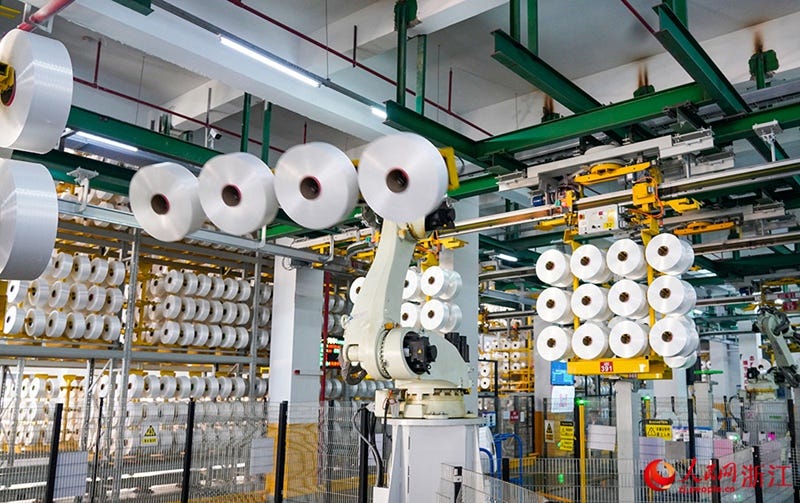
As an important sector of the consumer goods industry, the textile industry has five companies selected as typical practices: Tongkun Group’s polyester fiber 5G factory, Xinfengming Group’s 5G factory, Changyuan Textile’s 5G smart factory, Jinyuan Textile’s 5G smart factory, and Sichuan Shengshan Baiyulan Industry Co., Ltd.’s 5G factory, covering the entire industrial chain of chemical fiber, spinning, and apparel. These companies all adopt an “edge-cloud” architecture, ensuring secure data transmission through 5G virtual private networks and integrating technologies such as AI and digital twins to address industry pain points.
~
We’ve seen the viral videos of dark factories making EVs and robots. This take on textile factories intrigued me, as textiles had been seen as a lower value output among the manufacturing supply chain, especially with the outsourcing to lower-cost countries.
However, if we view this through a strictly Marxist-Leninist lens, the CCP’s push for automation is an attempt to break the imperialist cycle of chasing cheaper labor in the Global South by replacing the labor force entirely with robotics.
Yet, how much of this is a string of buzzwords (5G! AI! Smart! Cloud! IoT) versus real, replacement-economics impact on productivity and labor? I did a cursory look into the 5 textile factories mentioned.
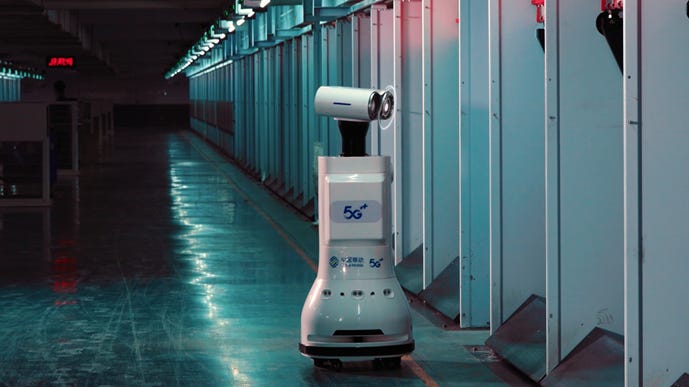
Here’s Tongkun, a polyester fiber spinner.
Here is Sichuan Shengshan Baiyulan Industry Co, that makes camo print hats and jackets:
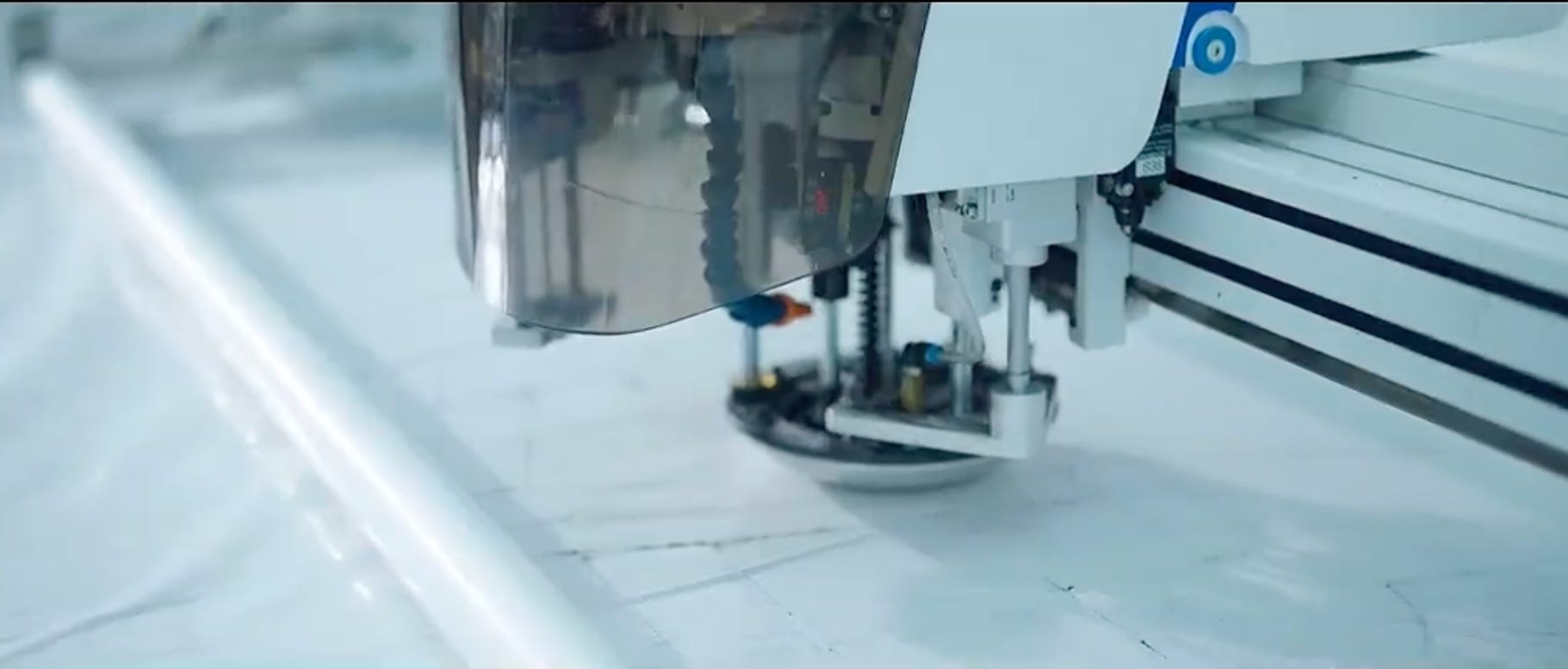
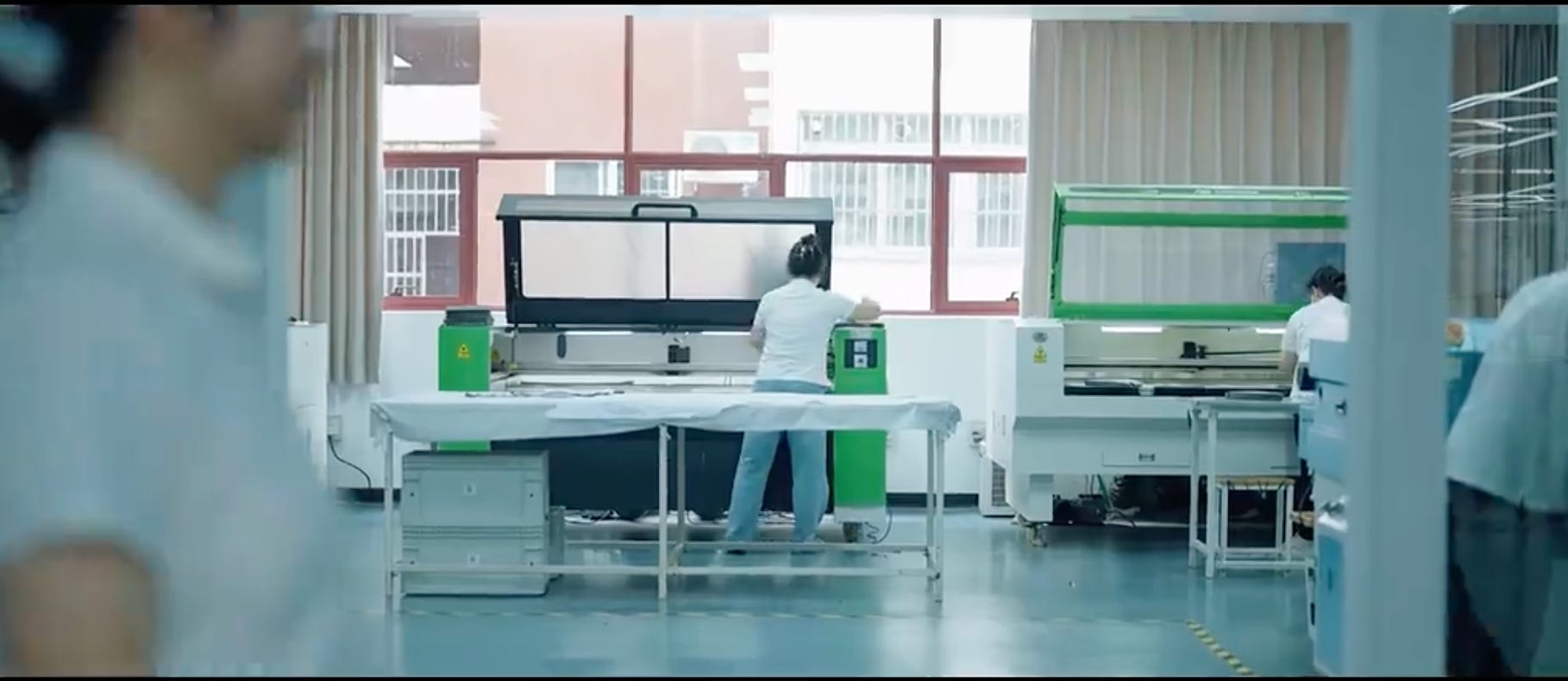
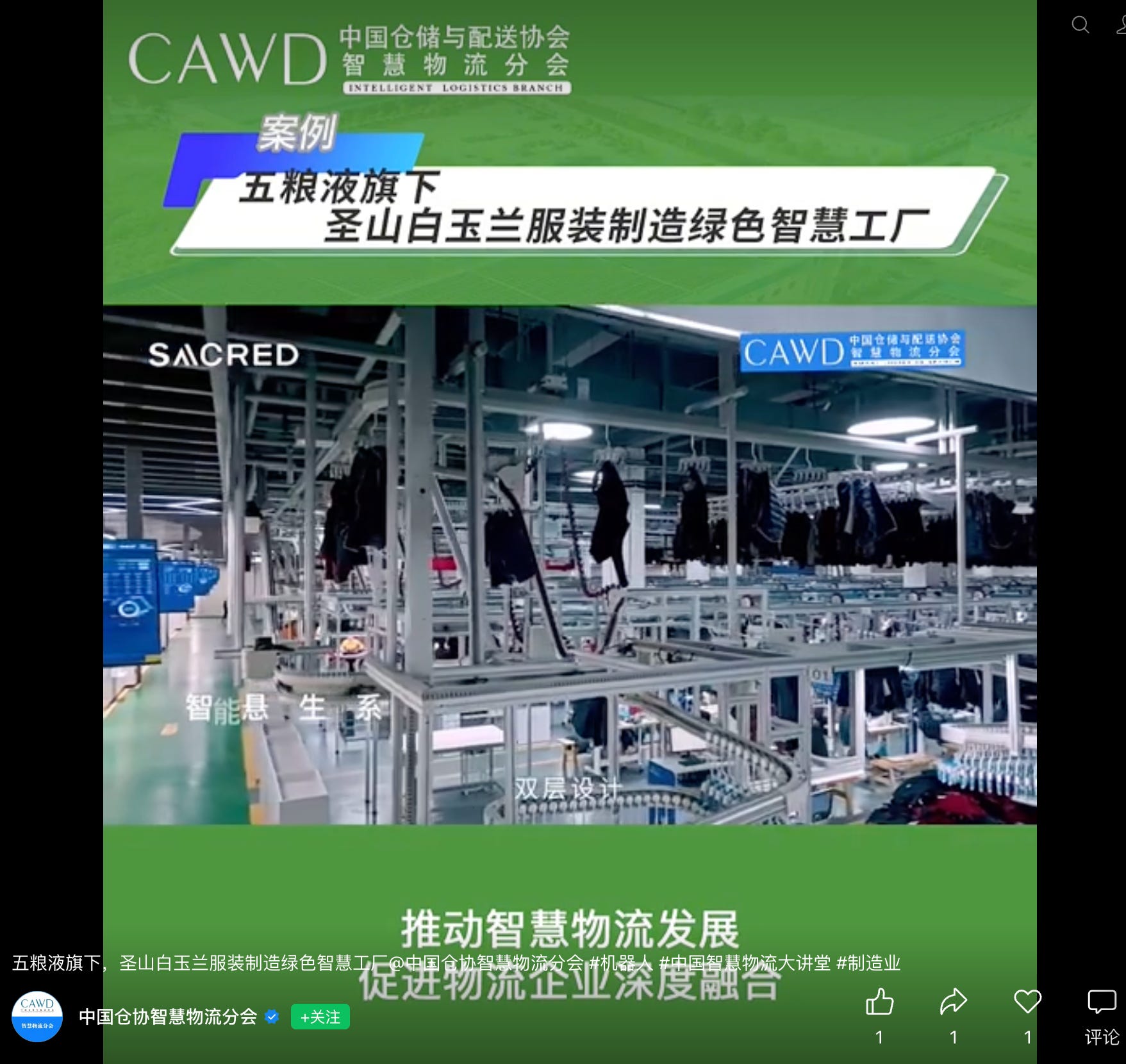
Changyuan Textile’s 5G, another filament spinner, with some cool screens:
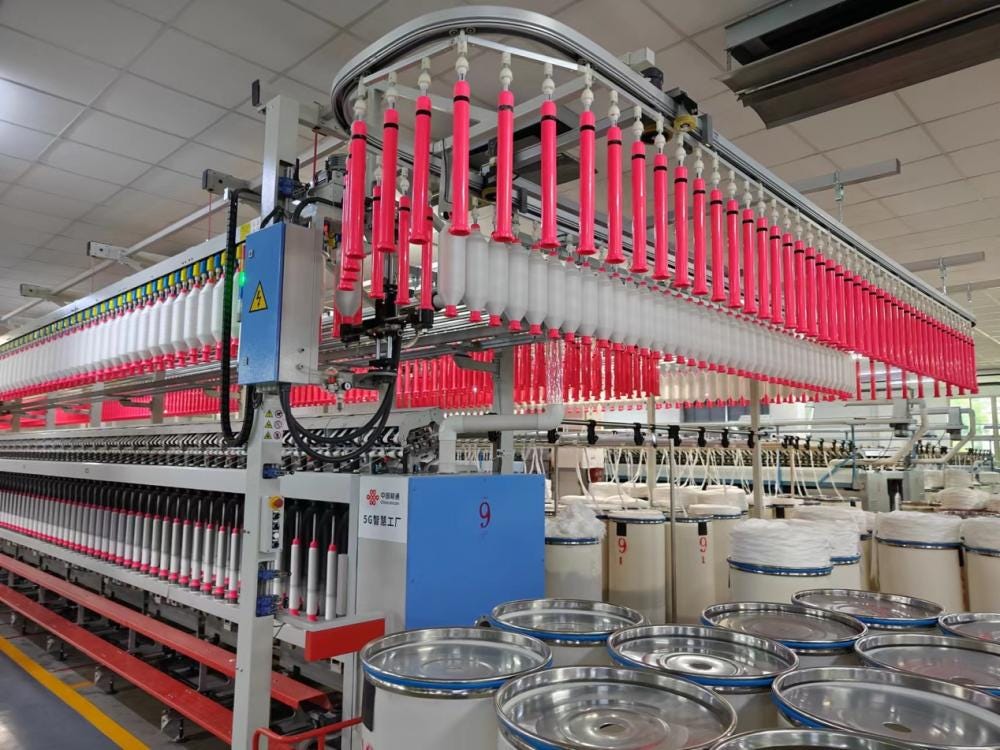
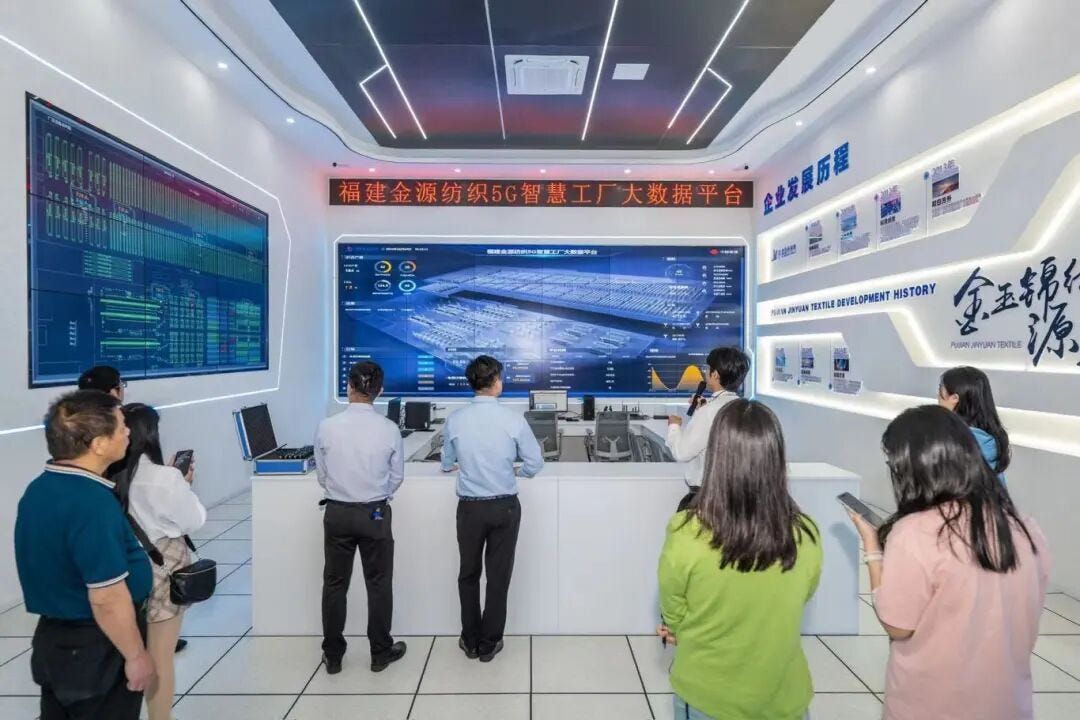
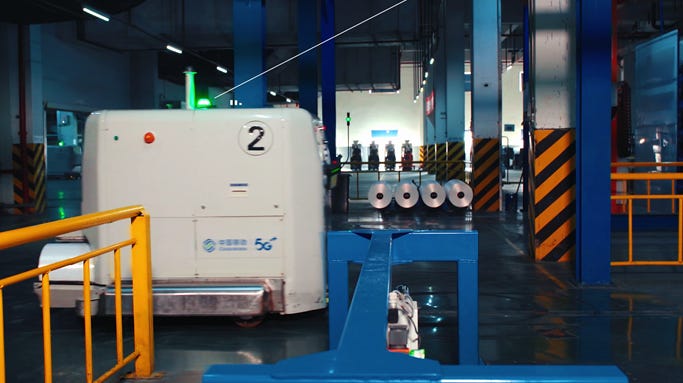
Xinfengmeng Group 5G, again for polyester filaments, with film color editing straight out of a Cao Fei film:
Jinyuan Textiles 5G, which spins cotton fibers for hotel bedding. I couldn’t find any latest photos of its recent technological upgrades, but can offer a good comparison of the average last generation weaving machine.
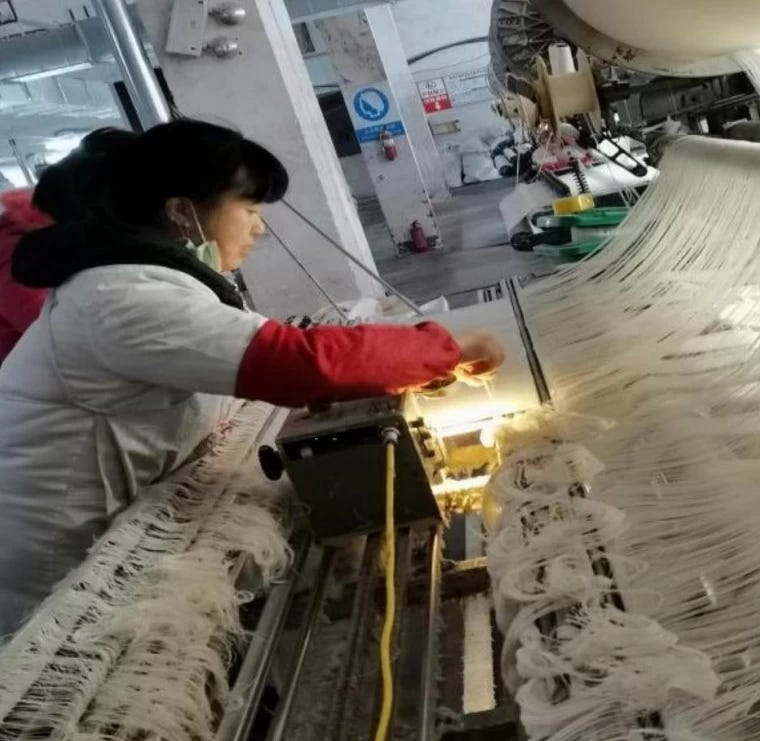
~
Some of the factories claim "intelligent transformation of numbers to network connectivity.” Let’s break down the buzzwords. The robot arms seem to primarily serve as transport of heavy objects. Machine vision cameras track production lines for quality control. Real time data is collected with a 5G network (on Huawei, China Unicom or ZTE).
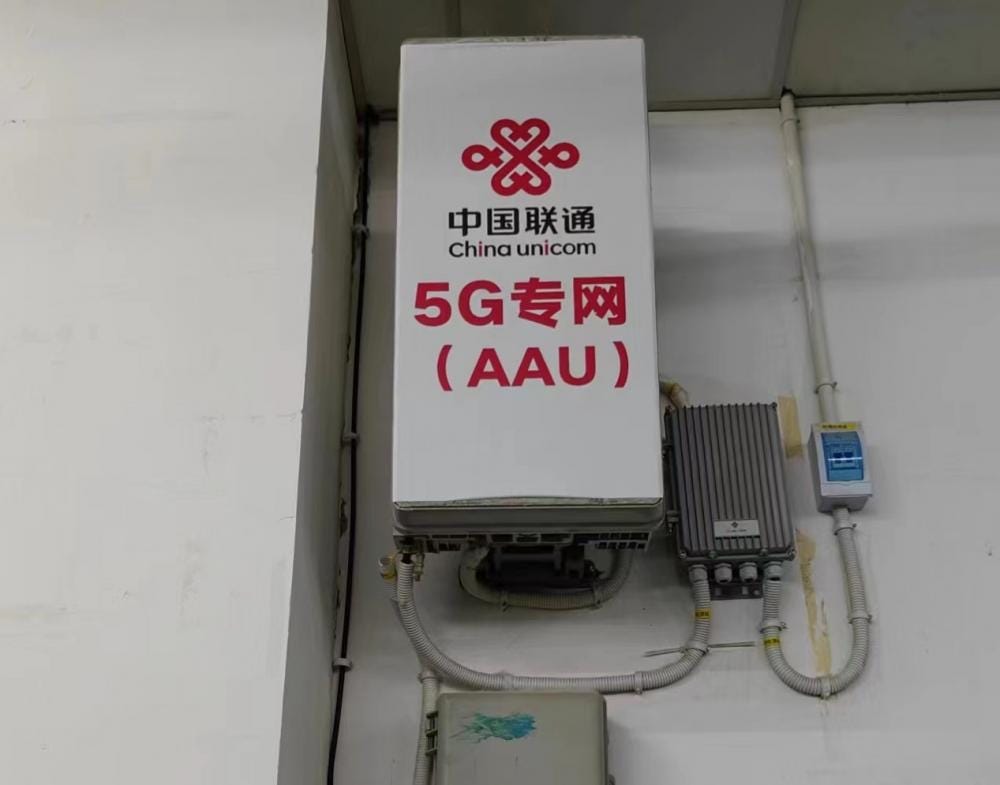
3 out of 5 of the Top 5 smart textile factories cluster around polyester filament or fiber spinning production for a simple reason: filaments are extruded, continuous, high-throughput processes with tightly controlled parameters such as temperature, tension, flow, making them well-suited to classical control systems.
It’s notable none of them (yet) are spinning noble fibers such as merino wool, cashmere, silk, which are “uncooperative materials” in automation, where fragility and fiber irregularity currently resist full automation.
Moreover, none of them are sewing!
The greatest challenge in textile manufacturing that humans are still really good at are robots manipulating soft surfaces— deformable object manipulation. That is, handling cloth, yarn, and drape with uncertain state space and contact. Humans still outperform robots here because we model tension, friction, and fold geometry instinctively, whereas frontier vision-guided and machine learning grippers struggle to generalize across different fabrics.
I was looking for real progress on this frontier across these factories. The closest I came across is:
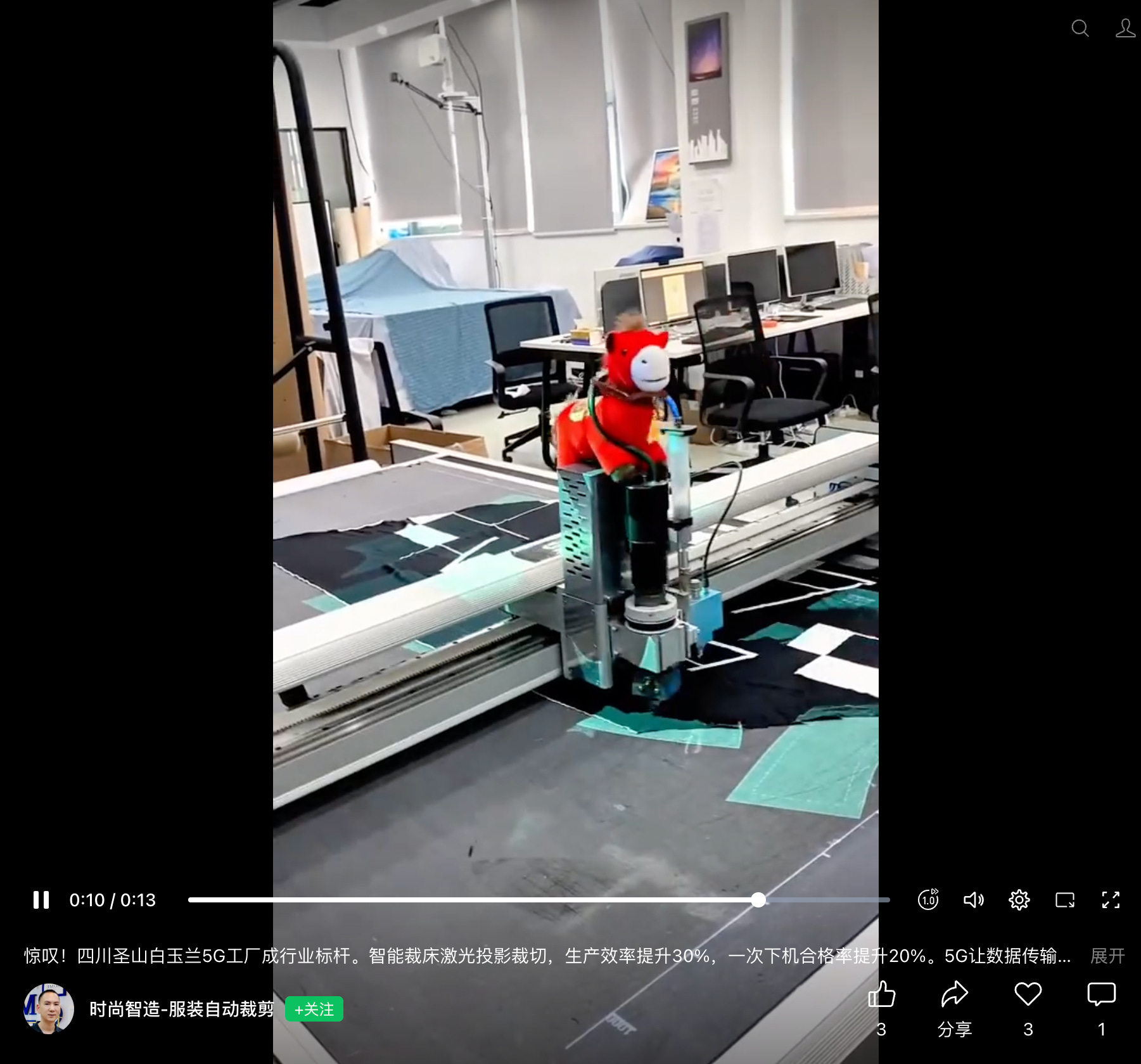
However, this does not mean these textile manufacturing advancements are insignificant. I can see Prato, Italy—where a lot of current yarn-spinning, weaving, knitting and cut and sew factories exist, and is already full of Wenzhou immigrants and Italian-Chinese factory joint ventures—import and adopt this infrastructure.
~
The median of China’s automated textile supply chain lies in upstream stage—filament extrusion and the spinning of polyester and cotton, something that is not particularly labor intensive. Much of what’s presented as “5G smart textile manufacturing” is an incremental layering of connectivity onto already-mechanized processes. It falls short of the more dramatic doomerist or techno-utopian narratives about imminent, large-scale replacement of human jobs in garment manufacturing.
I’ll be far more impressed if the next major step function arrives: solving deformable object manipulation (automated sewing of 3-D contruction garments (tailoring, especially at the shoulder seams; couture cutting, especially at the waist and bust) and linking of sweaters, spinning high-quality fragile cashmere and wool). I am not saying this technology or research doesn’t exist—it could be in fringe cases or at university research level, but certainty not at a scaleable, replacement-economics level today.
For now, the work still belongs to human hands and our craft. Which is to say: the android arms are not yet petting electric sheep.

Really good!!